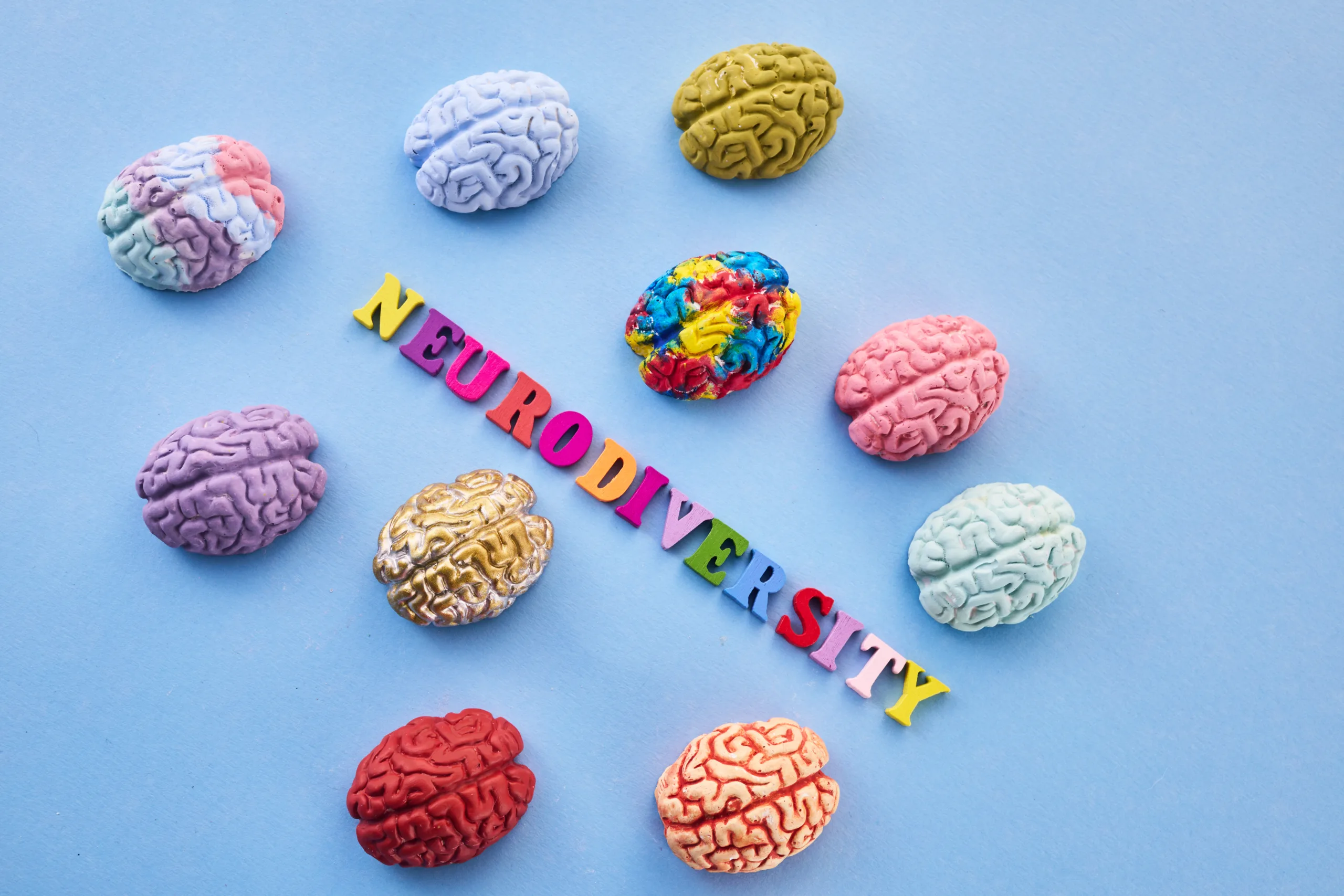
Embracing Neurodiversity: How Specialized IOP Programs Support Teens in Radnor, PA
Published On: April 8, 2025\|Categories: Family Support, Mental Health\|454 words\|2.3 min read\|
Today’s teens are navigating a world that demands adaptability, focus, and social connection—qualities that may look different for those who are neurodiverse. At High Focus Centers in Radnor, PA, we recognize that neurodiversity is not a limitation, but a different way of experiencing and interacting with the world. Understanding and supporting these differences through a specialized intensive outpatient program (IOP) can be life-changing for both teens and their families.
What Does It Mean to Be Neurodiverse?
Neurodiversity refers to the natural variations in the human brain that influence how individuals think, learn, and process information. This includes conditions such as:
- Autism Spectrum Disorder (ASD)
- Attention Deficit Hyperactivity Disorder (ADHD)
- Dyslexia and other learning differences
- Sensory processing challenges
- Executive functioning differences
For neurodiverse teens, everyday experiences—such as managing school, navigating friendships, or regulating emotions—can feel overwhelming without the right support. Traditional mental health treatment may not always address their specific needs or learning styles, which is why a tailored approach is so important.
How a Neurodiversity-Informed IOP Makes a Difference
A neurodiverse-specific IOP at High Focus Centers offers a structured, supportive environment where teens can receive intensive mental health care while continuing to live at home and attend school. Here’s how we help:
1\. Individualized Treatment Plans
Our licensed clinicians understand that neurodiverse teens require more than a “one-size-fits-all” approach. Treatment plans are customized to meet each teen’s unique needs—whether that includes building social skills, managing anxiety, or learning executive functioning strategies.
2\. Sensory-Sensitive Environments
Many neurodiverse teens are sensitive to overstimulating environments. We create calm, predictable spaces that reduce sensory overload and help teens feel safe, grounded, and focused.
3\. Skills-Based Group Therapy
Our group sessions focus on practical skills like emotional regulation, communication, and managing stress. Groups are facilitated by clinicians experienced in supporting neurodiverse individuals, ensuring a respectful and inclusive experience.
4\. Collaboration with Families and Schools
We partner closely with families and, when appropriate, school teams to ensure continuity of care and effective communication across environments. Parents are offered support and education to better understand their child’s strengths and challenges.
5\. Holistic Mental Health Support
In addition to addressing conditions like depression, anxiety, or trauma, our IOP also helps teens build confidence and resilience. We focus on the whole person—not just a diagnosis.
A Place Where Teens Feel Seen and Supported
At High Focus Centers in Radnor, we believe that neurodiverse teens deserve a mental health program designed with their experiences in mind. Our specialized IOP provides the tools, structure, and compassion they need to thrive—at home, in school, and in life.
Ready to explore care for a neurodiverse teen in your life? Contact our Radnor location today to learn more about our specialized IOP services.
In This Blog...
- 1\. Individualized Treatment Plans
- 2\. Sensory-Sensitive Environments
- 3\. Skills-Based Group Therapy
- 4\. Collaboration with Families and Schools
- 5\. Holistic Mental Health Support
The Connection Between Stress, Anxiety and Problem Gambling
721 words\|3.6 min read\|
What to Do After You Discover Your Teen Is Using Substances
575 words\|2.9 min read\|
Celebrities, Public Pressure and Mental Health: Are We More Alike Than We Think?
939 words\|4.7 min read\|
Is My ADHD Actually Trauma?
809 words\|4 min read\|